
Introduction to the Rogue Planet
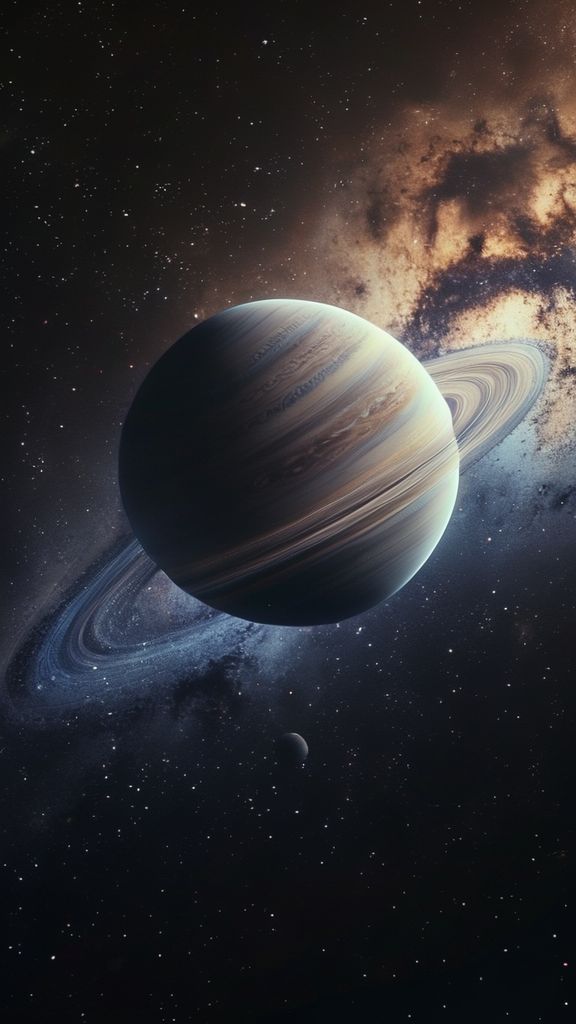
Wait till you hear this! Scientists have just discovered a rogue planet in our galaxy, and it's leaving everyone mind-blown. Did you know that this planet is roughly the size of Saturn and is drifting through the Milky Way, approximately 10,000 light-years from Earth? Here's the crazy thing: it's not orbiting any star, which raises a lot of questions about its origins and how it ended up in this state.
What is a Rogue Planet?
A rogue planet is a planetary body that has been ejected from its orbit around a star, often due to gravitational disturbances or close encounters with other celestial objects. Scientists think that low-mass rogue planets are born around stars and later forced out of their orbits by these disturbances. This discovery provides direct evidence that a planet, not just failed stars, can roam the galaxy after a violent expulsion from its orbit.
How Was the Rogue Planet Discovered?
The researchers found this planet using a method called gravitational microlensing, which occurs when the light from a bright, distant object is bent by a foreground object, such as the rogue planet. By measuring the bending of light, scientists can infer the mass of the object. In this case, the rogue planet has a mass similar to that of Saturn, which is about 22% the mass of Jupiter.
Characteristics of the Rogue Planet
So, what do we know about this rogue planet? For starters, it's massive, with a size comparable to Saturn. It's also drifting through the galaxy, which means it's not bound to any particular star. The researchers estimate that the planet lies roughly 3,000 parsecs from the center of the Milky Way. But here's what's really interesting: knowing its mass offers a hint about its past, which could provide clues about how it formed and how it ended up in its current state.
Implications of the Discovery
The discovery of this rogue planet has significant implications for our understanding of the galaxy and the formation of planetary systems. It suggests that planets can be ejected from their orbits and survive in the vast expanse of space, potentially leading to the formation of new planetary systems. This raises questions about the possibility of life on these rogue planets and whether they could potentially harbor conditions suitable for life as we know it.
Future Research Directions
So, what's next for the study of this rogue planet? Scientists will likely continue to monitor its movement and study its properties to learn more about its composition, atmosphere, and potential for hosting life. This discovery also highlights the need for further research into the formation and evolution of planetary systems, including the role of gravitational disturbances and close encounters in shaping the trajectories of planets.
Conclusion
In conclusion, the discovery of a rogue planet in our galaxy is a groundbreaking finding that challenges our understanding of the cosmos. As we continue to explore and study this phenomenon, we may uncover even more secrets about the formation and evolution of our galaxy. What's your take on this discovery? Have you ever wondered about the possibility of life on rogue planets? Share your thoughts and join the conversation below!
0 Comments